言語学習は脳のジム|英語で鍛える集中力と創造性
導入文 – Introduction
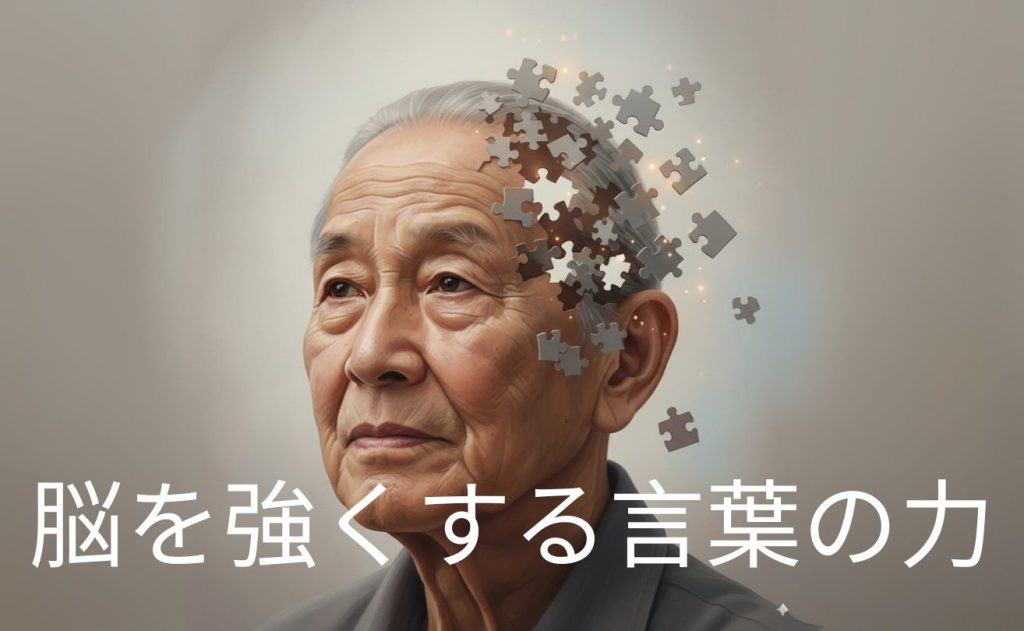
あなたは「英語を学ぶことが脳にどんな影響を与えるのだろう?」と考えたことはありますか?もしかすると新しい言語を学ぶことは、単に言葉を増やすだけでなく、脳を若々しく保つ“秘密のトレーニング”かもしれません。最新の科学は、英語学習が記憶力や集中力を高めるだけでなく、認知症の発症を何年も遅らせる可能性があることを示しています。
新しい言語を学ぶことは、単なるスキルの習得にとどまりません。それは脳にとって最も効果的なトレーニングの一つであり、人生を豊かにする知的な冒険でもあります。ジムで筋肉を鍛えるように、言語を学ぶことで脳のネットワークは鍛えられ、強く、柔軟になります。その結果、集中力や記憶力が向上し、問題解決能力や創造性も育まれます。
近年の研究はさらに驚くべき事実を示しています。例えば、カナダ・トロントの研究チームは、二言語を話す人が認知症を発症するのを平均で4年以上遅らせる可能性があることを発見しました。この効果は「認知予備力」と呼ばれ、学びによって脳がより多くの回路を持ち、老化や病気に対して耐性を持つようになるからです。つまり、言語学習は「脳の貯金」とも言えるのです。
また、学習の時期によっても得られる効果は変わります。子どもの頃に言語を学ぶと、脳は新しいネットワークをゼロから作り出し、自然に習得できます。一方、大人になってから学ぶ場合は、既存のネットワークを再利用しながら新しいつながりを築く必要があり、その分難しさも伴います。しかし挑戦が大きい分、効果も大きく、大人の学習には脳をより強く刺激するメリットがあるのです。
さらに言語は個人の成長にとどまらず、社会や文化とのつながりを広げます。母語では感情的な反応が強く出やすいのに対し、第二言語ではより客観的で冷静な判断がしやすいとされます。こうした違いを理解することは、異文化交流やグローバルな視点を持つ上でも役立ちます。
今回のレッスンでは、こうした最新の研究成果や知見をわかりやすく紹介しながら、英語学習を通じて得られる脳のメリットと人生の広がりについて一緒に考えていきましょう。あなたの学びが、未来の健康や新しいチャンスにつながるきっかけになるかもしれません。
「英語の授業で教えた内容を一部修正し、日本語を中心にウェブレッスン用に再構成したものです。授業ではすべて英語で進行しましたが、ここでは主に日本語で説明しています。」
CEFRとTOEICレベル – CEFR and TOEIC Level & Rationale
レベル:B1|TOEIC 550–700|英検 準2級
理由:スクリプトには専門用語(cognitive reserve, dementia など)が含まれていますが、文構造は比較的明確で、B1学習者に挑戦できる内容です。
ESL学習目標 – ESL Learning Objectives
- Understand and use vocabulary related to the brain and bilingualism.
脳やバイリンガルに関する語彙を理解し、使えるようにする。 - Practice explaining scientific studies in simple English.
科学的な研究内容を簡単な英語で説明する練習をする。 - Improve listening skills with academic English.
アカデミックな英語を聞き取る力を伸ばす。 - Discuss the personal and social benefits of learning languages.
言語を学ぶことの個人・社会的利点について話し合う。
その他の学習目標 – Other Learning Objectives
- Learn about dementia and cognitive reserve as health concepts.
認知症や認知予備力といった健康に関する概念を学ぶ。 - Compare early and late language learning from a neuroscience perspective.
早期・後期の言語学習を脳科学の観点から比較する。
効果的な動画視聴方法 – Watching Strategy Tip
初めは全体の意味をとらえるつもりで視聴し、二度目に細かい表現や専門語を確認しましょう。
視聴前の質問 – Pre-Watch Questions
- What benefits do you think bilingual people have compared to monolingual people?
バイリンガルは一言語話者と比べてどんな利点があると思いますか? - Do you think learning languages as an adult is harder or easier than as a child? Why?
大人になってから言語を学ぶのは、子どものときより難しいと思いますか?その理由は?
「動画をよく見てから、質問に答えてみてください。2回見ると理解しやすくなるかもしれません。(授業ではスクリプトも配布されています。)」
内容理解問題 – Comprehension Questions
- What was the old belief about being bilingual?
バイリンガルであることについて昔はどんな考えがありましたか? - What mental abilities does bilingualism improve?
バイリンガルであることはどんな認知的能力を高めますか? - Which year and place was the breakthrough study conducted?
その重要な研究はいつ、どこで行われましたか? - What did Ellen Bialystok’s study reveal about dementia?
エレン・ビアリストックの研究は認知症について何を明らかにしましたか? - What is “cognitive reserve”?
「認知予備力」とは何ですか? - How do children and adults differ in learning a new language?
子どもと大人では新しい言語を学ぶ方法にどんな違いがありますか? - What was special about the Great Ormond Street study?
グレート・オーモンド・ストリートの研究はどんな点で特別でしたか? - How do people usually react emotionally in their first language compared to their second?
母語と第二言語では、人は感情的にどのように反応が違いますか?
正誤問題 – True / False
- People once thought bilingualism was helpful for children.
昔はバイリンガルは子どもにとって役立つと考えられていた。 - Bilingual brains activate all languages at the same time.
バイリンガルの脳はすべての言語を同時に活性化させる。 - Bilingualism can delay dementia by around 4 years.
バイリンガルは認知症の発症を約4年遅らせることができる。 - Learning new languages does not affect stroke recovery.
新しい言語を学んでも脳卒中からの回復には影響がない。 - Cognitive reserve protects against aging and disease.
認知予備力は老化や病気から脳を守る。 - Learning languages later in life has no benefits.
大人になってから言語を学んでもメリットはない。 - Early bilingual children showed strong brain connectivity at rest.
早期にバイリンガルになった子どもは安静時に強い脳の接続性を示した。 - People are usually more emotional in their second language.
人は通常、第二言語でより感情的になる。 - Scientists are still discovering benefits of bilingualism.
科学者たちは今もバイリンガルの利点を発見し続けている。 - Bilingualism only benefits individuals, not societies.
バイリンガルは個人には利益があるが、社会には役立たない。
発展問題 – Extension Questions
- How might bilingualism help in the workplace?
バイリンガルであることは職場でどのように役立つでしょうか? - What are some cultural doors that language learning can open?
言語を学ぶことでどんな文化的な扉が開かれますか? - Do you agree that learning later in life can be more beneficial? Why?
大人になってから学ぶ方が有益な場合があるという意見に賛成ですか?その理由は? - How could schools better support bilingual children?
学校はどのようにすればバイリンガルの子どもをより支援できるでしょうか? - What role do emotions play in language use?
言語使用において感情はどんな役割を果たしますか? - How do you think bilingualism affects identity?
バイリンガルであることはアイデンティティにどのような影響を与えると思いますか? - Should societies encourage all children to learn more than one language?
社会はすべての子どもに複数の言語を学ばせるべきでしょうか? - What other skills might also build cognitive reserve?
他にどんなスキルが認知予備力を高めると思いますか?
| English | Japanese | Example sentence | Easy English definition |
|---|---|---|---|
| bilingual | バイリンガル | She is bilingual in Japanese and English. | A person who speaks two languages. |
| cognitive | 認知の | Cognitive skills are important for problem-solving. | Related to thinking and understanding. |
| reserve | 蓄え | He has a reserve of energy for sports. | Something saved for later use. |
| dementia | 認知症 | Dementia often affects older people. | A brain disease that causes memory loss. |
| stroke | 脳卒中 | He recovered well after a stroke. | A medical condition when blood stops flowing to the brain. |
| network | ネットワーク | The brain has many networks. | A system of connected parts. |
| connectivity | 接続性 | Strong connectivity helps the brain work better. | How well parts are linked together. |
| perspective | 視点 | Try to see things from her perspective. | A way of thinking about something. |
| abstract | 抽象的な | This is an abstract idea. | Not concrete, more general. |
| creativity | 創造性 | Drawing can improve creativity. | The ability to create new ideas. |
| concentration | 集中力 | Reading needs good concentration. | The ability to focus. |
| problem-solving | 問題解決 | Teamwork is good for problem-solving. | Finding answers to problems. |
| memory | 記憶 | Her memory is strong. | The ability to remember. |
| research | 研究 | This research changed our ideas. | Careful study of a subject. |
| society | 社会 | Language learning helps society. | A group of people living together. |
句動詞・前置詞動詞リスト – Phrasal / Prepositional Verbs List
| English | Japanese | Examples (2) with JP | Easy English definition |
|---|---|---|---|
| switch between | 切り替える | Example 1: He can switch between English and Japanese. / 彼は英語と日本語を切り替えられる。 Example 2: She switches between tasks quickly. / 彼女は仕事を素早く切り替える。 | To change from one to another. |
| recover from | ~から回復する | Example 1: She recovered from the illness. / 彼女は病気から回復した。 Example 2: He is recovering from a mistake. / 彼は失敗から立ち直っている。 | To get better after something bad. |
| depend on | ~に依存する | Example 1: Success depends on hard work. / 成功は努力に依存する。 Example 2: Children depend on their parents. / 子どもは親に依存する。 | To rely on something. |
| focus on | ~に集中する | Example 1: Focus on the lesson. / 授業に集中してください。 Example 2: She focused on her goals. / 彼女は目標に集中した。 | To give attention to. |
| look at | 見る | Example 1: Look at the screen. / 画面を見て。 Example 2: He looked at the map. / 彼は地図を見た。 | To direct eyes toward. |
| build up | 蓄積する | Example 1: He built up strength. / 彼は力を蓄えた。 Example 2: The team built up confidence. / チームは自信を積み重ねた。 | To increase gradually. |
| make connections | つながりを作る | Example 1: She made connections in her brain. / 彼女は脳につながりを作った。 Example 2: He made connections with new friends. / 彼は新しい友達とつながりを作った。 | To link things together. |
| light up | 光る | Example 1: His face lit up. / 彼の顔が明るくなった。 Example 2: The city lights up at night. / 夜になると街が明るくなる。 | To become bright or active. |
| open up | 開く | Example 1: Learning opened up new chances. / 学ぶことで新しい機会が開けた。 Example 2: He opened up about his feelings. / 彼は気持ちを打ち明けた。 | To create opportunities. |
| benefit from | ~から利益を得る | Example 1: We benefit from studying. / 勉強から利益を得る。 Example 2: She benefited from the training. / 彼女は研修から利益を得た。 | To gain something positive. |
内容理解問題の解答(タイムスタンプ付き)– Answers with Timestamps
- People thought it was bad and confusing (~0:02).
- Concentration, problem-solving, memory, creativity (~0:38–0:44).
- 2007 in Toronto (~0:54).
- Bilinguals develop dementia 4–4.5 years later (~1:13–1:17).
- A mental reserve protecting against aging and disease (~1:28–1:35).
- Children build new networks; adults modify existing ones (~2:13–2:39).
- It measured brain activity at rest in children (~3:15–3:32).
- People react emotionally in first language, rationally in second (~4:11–4:16).
正誤問題の解答 – True / False Answers
1.F, 2.T, 3.T, 4.F, 5.T, 6.F, 7.T, 8.F, 9.T, 10.F
今日学んだ「バイリンガル脳」の力を、あなたの英語学習にも活かしてみましょう。言語を学ぶことで脳を鍛え、人生を豊かにできます。もっと深く学びたい方は、ぜひ「無料体験レッスン」にご参加ください。